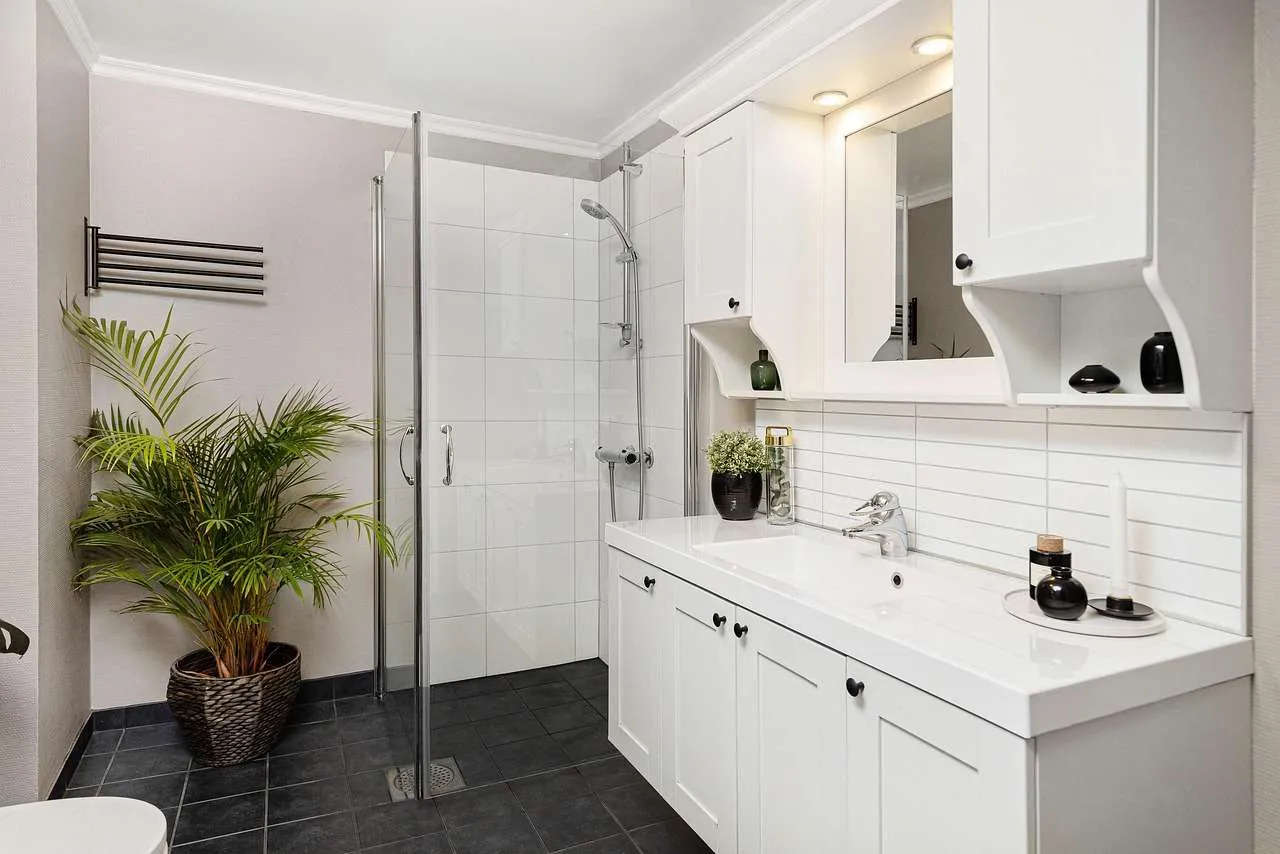
Small bathrooms demand smart thinking. With careful planning, even the tightest spaces can feel open, functional, and stylish. This guide covers proven ideas to maximize floor area, boost storage, and create a calm, usable bathroom. By focusing on layout, fixtures, finishes, and lighting, you can achieve a high-end look without a full renovation.
Smart layouts for small spaces
Start with a plan that reduces wasted space. Consider these layout strategies:
- Install a wall-mounted vanity to free floor space and ease cleaning.
- Use a wall-hung toilet or concealed cistern toilet to create a feeling of openness.
- Choose a corner or compact sink to free up the central area.
- Opt for a pocket or sliding door to avoid door swing conflicts in tight rooms.
- Keep clear zones around the shower or tub using step-free or curbless designs.
Fixtures and storage that maximize space
Smart fixtures and built-in storage turn a small bathroom into a highly usable space. Techniques include:
- Double-duty vanity with shallow depths and internal organizers.
- Tall, narrow cabinetry or recessed niches in shower walls for toiletries.
- Rail or hook systems on walls and behind doors for towels and robes.
- Medicine cabinets with mirrored fronts to combine light reflection and storage.
Color, materials and finishes that open up a room
Light colors and reflective surfaces visually expand a space. Practical tips: choose pale walls, large-format tiles to minimize joints, and mirrors with edge-to-edge reflection. Glass shower enclosures also feel lighter than solid doors. If you prefer warmth, balance with natural wood accents and soft textures, but keep the palette cohesive to avoid visual clutter.
Lighting and mirrors to create the illusion of space
A layered lighting plan is essential. Use a combination of ceiling ambient light, task lighting near mirrors, and subtle accent lighting to highlight architectural features. Maximize natural light with a large, frameless mirror that doubles as a bright reflective surface. Consider chrome or brushed nickel hardware to add a modern touch without weighing down the space.
Safety, accessibility and sustainability
Design with safety in mind. Non-slip flooring, grab bars in showers, and a curbless shower entry reduce accidents. Water-saving fixtures, aerated faucets, and low-flow toilets cut utility costs without sacrificing performance. For longevity, choose durable materials that resist moisture and look good over time.
Budget planning and step-by-step execution
Plan your project in stages to manage costs. Start with essential updates such as fixtures and storage, then upgrade finishes if the budget allows. Measure accurately, compare products, and request samples. A realistic budget includes installation costs, professional fees if needed, and contingency for surprises.
Quick wins you can implement this weekend
- Install a large rectangular mirror to instantly brighten the room.
- Install slim LED strips under cabinets for soft, space-enhancing light.
- Replace cabinet hardware with modern pulls and knobs for a refreshed look with minimal effort.
- Declutter and reorganize vanity drawers using dividers and baskets.
Pro tip for choosing fixtures
When selecting fixtures, prioritize standard, widely available sizes. This reduces lead times, simplifies installation, and makes future upgrades easier. Pair fixtures with hidden fasteners and quality seals for a cleaner, longer-lasting result.
Comparison of space-saving options
| Option | Best For | Pros | Cons | Ideal Space |
|---|---|---|---|---|
| Wall-mounted vanity | Small bathrooms needing open floor feel | Maximizes floor space, easy cleaning | Can be pricier, requires solid wall mounting | Below 32 inches wide |
| Pocket door | Narrow entryways | No swing clearance needed | More complex installation | 2.0 to 4.0 feet wide |
| Corner sink | Very tight layouts | Saves central space | Limited counter space | Corner measurements |
| Floating shelves | Open storage without bulk | Airier feel, easy to clean | Dust accumulation, needs sturdy brackets | Above vanity or tub area |
| Built-in niches | Shower storage | Keeps essentials accessible | Requires waterproofing attention | Shower walls |
By aligning these ideas with your bathroom’s dimensions and your daily routines, you can choose fixtures and storage that fit naturally into the space while delivering a polished look. An EEAT approach means selecting reputable brands, verifying installation methods, and considering the long-term maintenance of any materials you choose.
Summary: Small bathroom ideas revolve around smart layouts, compact fixtures, intelligent storage, light-reflecting finishes, and layered lighting. By planning, prioritizing, and using multipurpose elements, you can create a functional and aesthetically pleasing bathroom that feels larger than its actual footprint.
%20316-1858-9991f1c4c750?q=80&w=2070&auto=format&fit=crop)