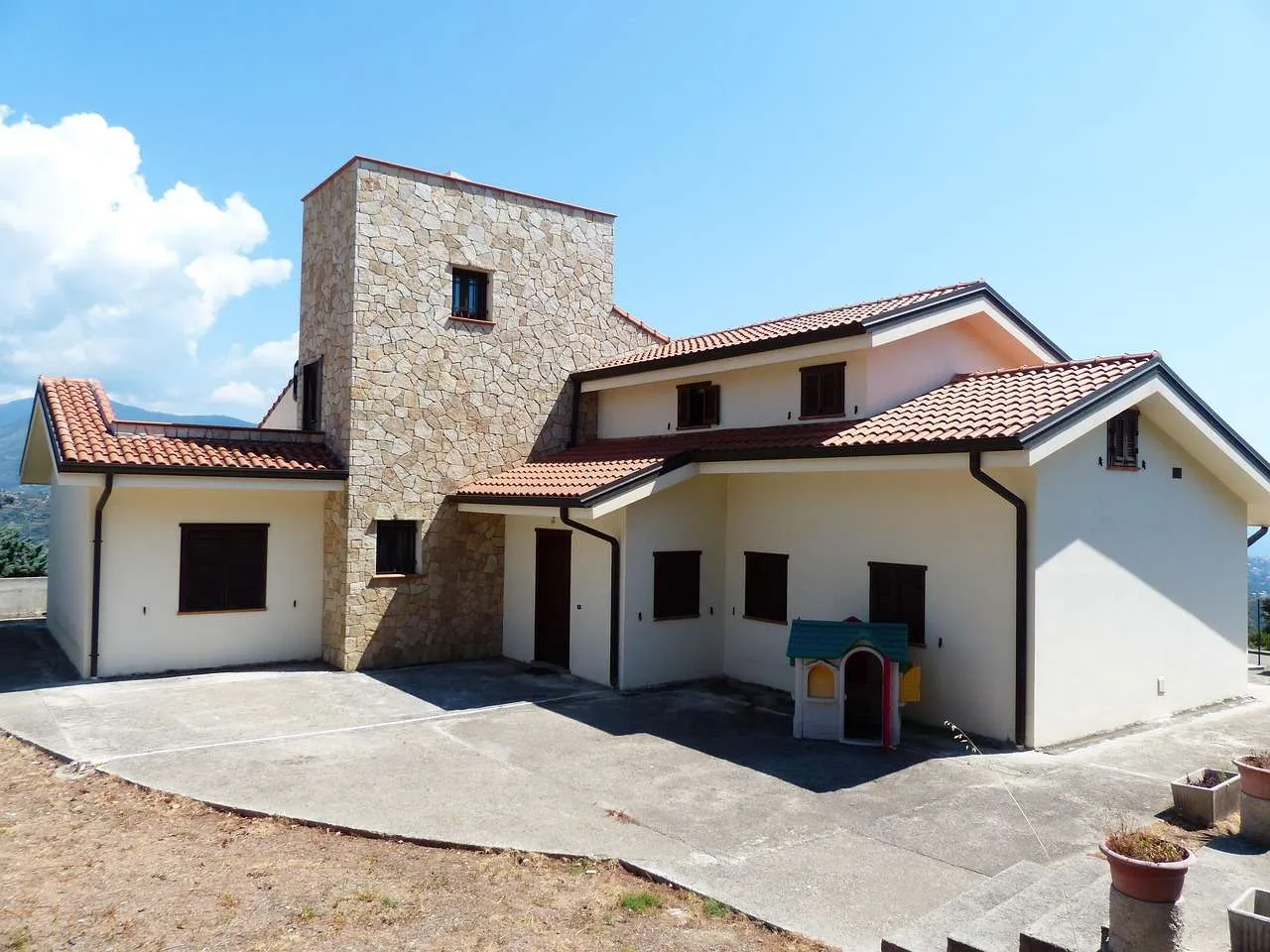
What is EPDM Roofing?
EPDM roofing uses an elastomeric membrane that has become a standard for flat and low-slope roofs. EPDM stands for ethylene propylene diene monomer, a durable synthetic rubber that provides exceptional flexibility and weather resistance. Available in black or white formulations, membrane thicknesses commonly range from 45 to 60 mils, with white variants offering higher solar reflectivity in hot climates. Both residential and commercial buildings use EPDM due to its proven performance and relatively straightforward installation.
Benefits of EPDM Roofing
- Durability: The membrane resists cracking, wind uplift, hail impact, and ozone exposure, extending roof life when properly installed.
- Flexibility: It remains pliable across temperature swings, reducing the risk of seam failure and leaks over decades.
- Weather resistance: Strong waterproofing capabilities and resilience to ponding water on flat surfaces.
- Reflectivity options: White or light-colored EPDM helps reduce cooling loads in hot climates, while black EPDM is cost-effective and durable.
- Repairability: Punctures and seam issues can often be patched with compatible sealants or tape, facilitating easy maintenance.
- Cost efficiency: Generally lower material and labor costs compared with many other membrane types, with long service life.
Installation Options and Best Practices
EPDM can be installed as fully adhered, mechanically attached, or ballasted systems. The right method depends on roof structure, climate, wind considerations, and building codes. Key steps include substrate cleaning and preparation, accurate seam sealing, and careful detailing around penetrations such as vents, skylights, and drains. Professional installation is essential to ensure proper flashing and adhesion, as improper seams are the leading cause of leaks.
Maintenance and Longevity
Routine maintenance keeps EPDM performing well. Regularly clear gutters and scuppers to prevent ponding, inspect seams for signs of aging or damage, and remove debris that can trap moisture. Avoid chemical cleaners that can degrade the membrane and schedule periodic inspections after severe weather. With proper care and professional installation, EPDM roofs commonly last 30 to 50 years, depending on climate and maintenance practices.
EPDM vs Other Membranes
Choosing the right membrane depends on climate, budget, and roof requirements. The table below compares EPDM with two common alternatives used on flat or low-slope roofs.
| Membrane | Durability & Warranty | UV/Reflectivity | Installation | Typical Cost | Best For |
|---|---|---|---|---|---|
| EPDM | Excellent resistance; standard warranties often 10–30 years | Black EPDM is low reflectivity; white variants offer higher reflectivity | Flexible, seals well at penetrations | Lower to mid-range | Flat/low-slope roofs, commercial and some residential |
| TPO | Good durability; typical 10–25 year warranties | High reflectivity | Ballasted or mechanically attached | Mid to high | Energy-efficient roofs in warm climates |
| PVC | Very durable with strong chemical resistance; long warranties | Very high reflectivity | Heat-welded seams, skilled installation | Higher cost | Roofing with chemical exposure or heavy traffic |
Cost, Warranties, and Choosing an Installer
Material costs for EPDM membranes are typically competitive, with labor representing a major portion of the installed price. Prices vary with membrane thickness, color, and project size, but EPDM remains a cost-effective option for many flat-roof applications. Warranties typically cover the membrane and workmanship and range from 10 to 30 years, depending on the manufacturer and contractor. Always verify contractor credentials, request references, and confirm insurance coverage before signing a contract.
Environmental and Sustainability Considerations
EPDM is a recyclable material, and some manufacturers offer recycling programs for old membranes. White EPDM can reduce cooling loads by reflecting solar heat, contributing to energy efficiency. When evaluating options, consider the overall environmental impact, including installation waste and end-of-life disposal.
Conclusion
Conclusion, EPDM roofing provides a proven, economical solution for flat and low-slope roofs, offering durable waterproofing, easy installation, and long service life. When installed by licensed professionals and maintained regularly, EPDM membranes can deliver reliable performance across varied climates and building types, making it a smart choice for both commercial and residential projects.
%20316-1858-9991f1c4c750?q=80&w=2070&auto=format&fit=crop)