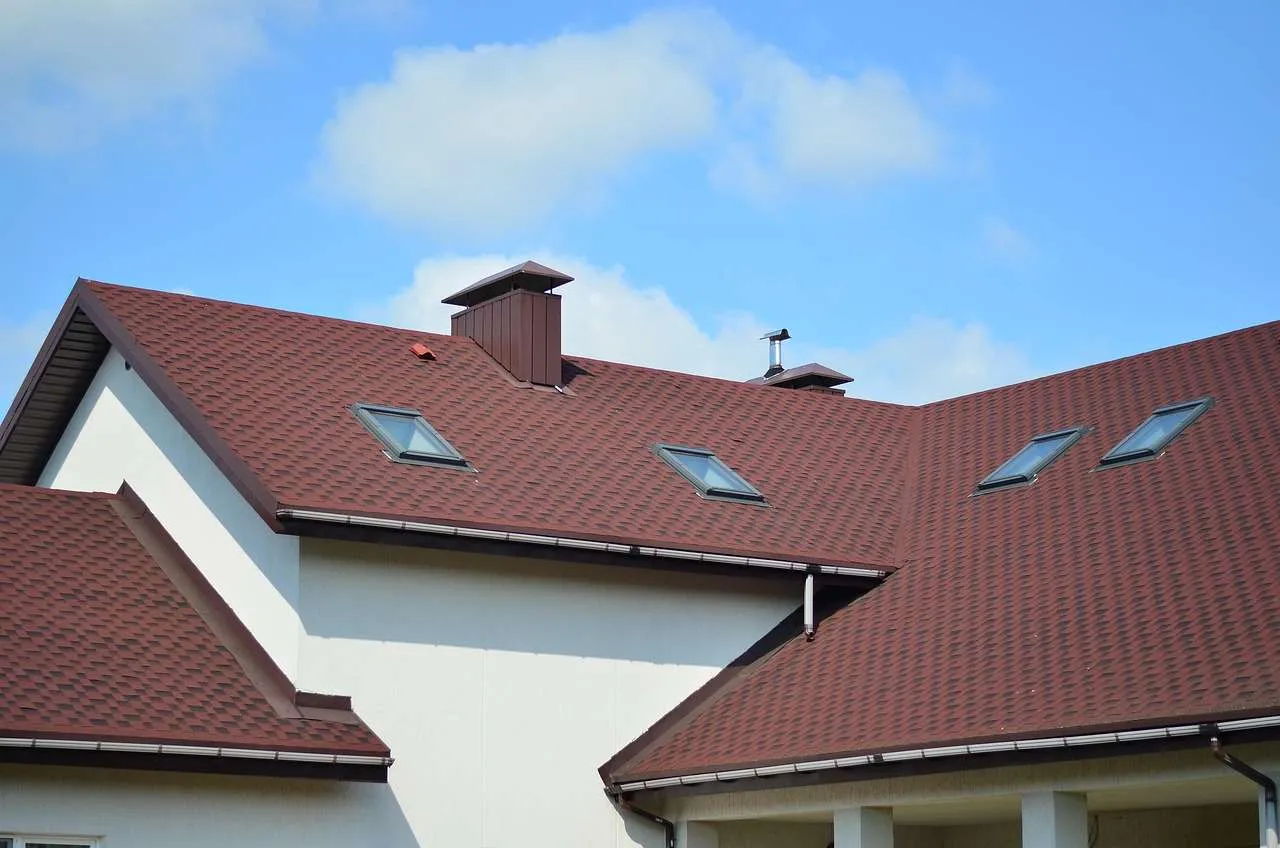
Metal roofing panels have become a top choice for homes and commercial buildings due to their durability, energy efficiency, and design versatility. When choosing between metal roofing panels, buyers should consider panel type, coating, installation requirements, and long term maintenance to maximize value and performance.
What are metal roofing panels
Metal roofing panels refer to prefabricated sheets made from steel, aluminum, copper, or zinc that form a protective roof surface. They come in different profiles and fastening methods, each with distinct performance characteristics that influence weather resistance, installation speed, and aesthetics.
Popular panel styles
Standing seam
Standing seam panels feature concealed fasteners and interlocking edges that elevate seam lines away from the weather. They offer excellent wind resistance, a clean contemporary look, and often superior waterproof performance. Installation requires precision and skilled labor, but the long term leak resistance can justify the higher upfront cost.
Exposed fastener corrugated
Exposed fastener panels use visible screws along the ridges. They are typically more affordable and easier to install, making them popular for barns, sheds, and some low to moderate slope roofs. The screw heads can be points of wear or corrosion over time, especially in harsh climates, requiring proactive maintenance.
R-panels
R-panels are versatile panels with strong, straightforward installation that suit commercial projects and larger residential builds. They balance durability with cost efficiency and work well with a variety of coatings. The panels have visible lines and are commonly used where speed and practicality are priorities.
Benefits of metal roofing panels
- Durability and wind resistance that withstand harsh weather
- Excellent fire resistance and low maintenance profile
- Lightweight yet strong, reducing structural load
- Energy efficiency through reflective coatings that can lower cooling costs
- Wide range of styles, colors, and finishes for curb appeal
- Recyclable and typically long service life, reducing replacement frequency
Key considerations when selecting metal roofing panels
Climate and environment drive material choice. Coastal areas benefit from corrosion resistant finishes; inland regions may prioritize thicker gauges or protective coatings. Common materials include galvanized or galvalume steel, aluminum, and copper. Coatings such as PVDF or silicone modified polyester preserve color and reduce chalking. Panel thickness and profile influence durability, wind uplift resistance, and water shedding. Consider fastener type, sealant compatibility, color reflectivity, and warranty terms to balance upfront cost with long term performance.
Cost and installation considerations
Installed costs for metal roofing panels typically range from 7 to 12 dollars per square foot, influenced by panel type, metal type, coating, pitch, and labor. Standing seam often sits at the higher end due to complexity, while exposed fastener and R-panels tend to be more affordable. Quality installation is critical; hire licensed contractors who provide manufacturer warranties and proper underlayment. A professional estimate should account for roof pitch, existing decking, attic ventilation, and drainage details.
Maintenance and durability
Compared with asphalt, metal roofs require minimal routine maintenance. Schedule periodic inspections after heavy wind or hail to identify loose fasteners, damaged seals, or dented panels. Keep gutters clear to prevent water backup, inspect flashing at eaves and chimneys, and address corrosion promptly. Recoating or repainting depends on coating life and climate; many warranties cover coating integrity for 20 to 50 years.
Environmental impact and warranties
Metal roofing panels are largely recyclable and often use low VOC coatings. Their reflective surfaces help reduce cooling loads in hot climates. Warranties typically cover materials and finish for 30 to 50 years and may include limitations related to hail, wind uplift, and fastener retention, depending on the profile and manufacturer.
Comparison of panel types
| Panel Type | Best For | Pros | Cons | Cost Range (installed) |
|---|---|---|---|---|
| Standing Seam | Residential and commercial roofs with slopes | Concealed fasteners, superior weather resistance, long life | Higher cost, requires skilled installer | 8-15 per sq ft |
| Exposed Fastener Corrugated | Barns, sheds, low slope | Low cost, simple installation | Visible screws can leak if not maintained | 5-9 per sq ft |
| R-panels | Commercial or rural buildings | Durable, versatile, easy to install | Exposed seams, less wind resistance in high wind | 6-9 per sq ft |
Installation and safety considerations
Work with licensed roofing contractors who follow local building codes and carry proper insurance. Ensure the project includes adequate underlayment, flashing, and proper attic ventilation to prevent moisture and ice dam risks. For retrofits, assess substrate condition and drainage to optimize longevity and performance.
Choosing the right metal roofing panel system
When evaluating options, request coating life details, warranty specifics, panel thickness, and compatibility with existing structures. Check references and inspect prior installations to gauge workmanship. A well chosen system balances upfront cost with long term performance, energy savings, and aesthetic alignment with the building.
Conclusion, metal roofing panels deliver durable protection with energy efficiency, a range of styles, and strong warranties. By evaluating panel types, coatings, installation quality, and maintenance needs, you can select a solution that fits your building and budget while ensuring lasting value.
%20316-1858-9991f1c4c750?q=80&w=2070&auto=format&fit=crop)