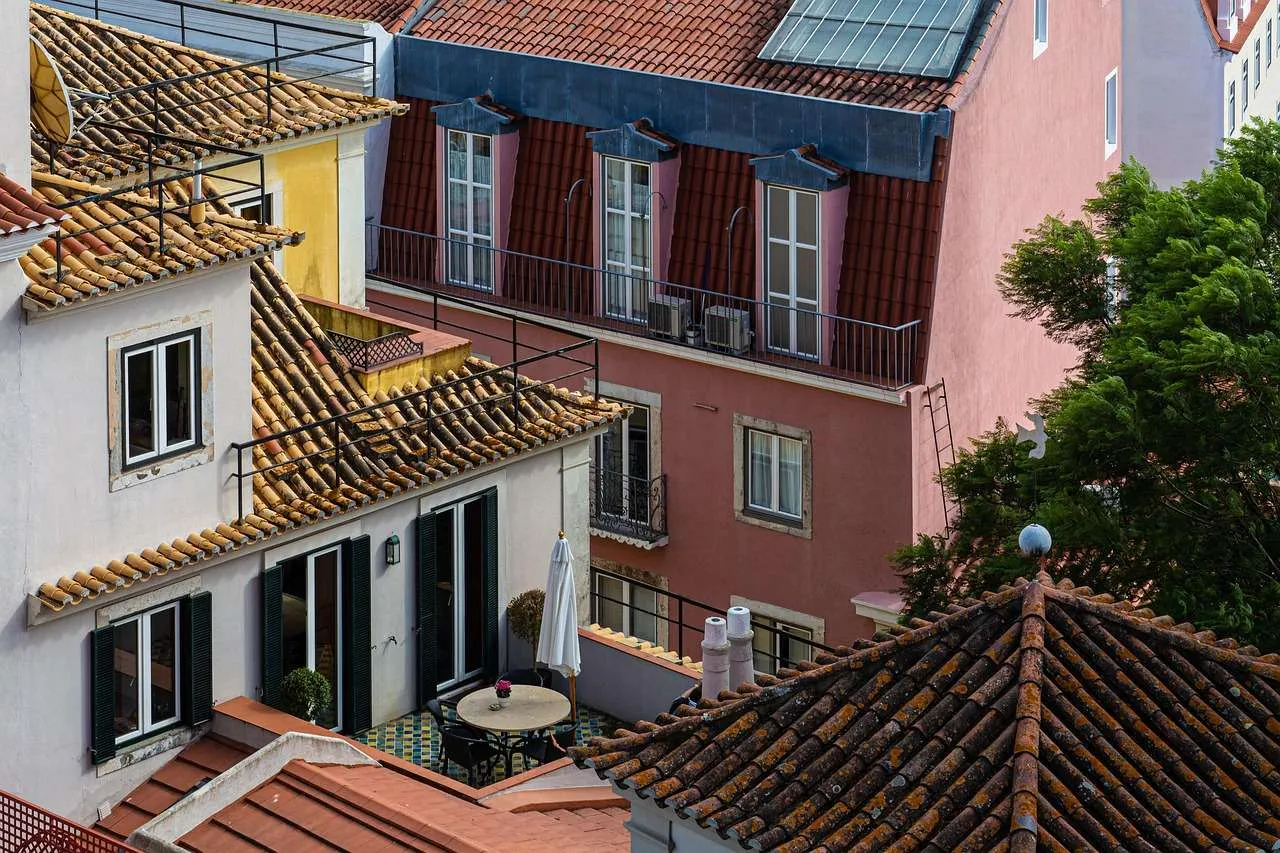
Roofing systems are a long-term investment. Regular inspection and timely roof repairs protect your home from water intrusion, energy loss, and structural damage. This guide covers essential signs, repair options, cost considerations, and how to work with a qualified contractor to maintain a safe, durable roof.
Understanding Roofing and When Roof Repairs Are Needed
Roofing materials vary (asphalt shingles, metal, tile, slate), but common issues cross types: leaks, damaged shingles, flashing wear, and vent or chimney problems. Regular inspections—at least once a year and after severe weather—can catch problems early. If you notice water stains on ceilings, curling shingles, or granules in gutters, it is time to assess for roof repairs. Prioritizing professional evaluation over DIY fixes helps maintain EEAT—expertise, authority, and trustworthiness—for your home.
Common Signs of Roof Damage
- Missing or curling shingles
- Visible leaks or stains on ceilings
- Algae, moss, or granule loss
- Sagging or daylight through the attic
- Ice damming in winter
Common Roof Repairs and How They Work
Shingle Replacement
When a few shingles are damaged, replacing them is often enough to restore protection. This involves removing the affected shingles, checking underlayment, and securing new shingles with corrosion-resistant nails. Proper matching of color and sealant helps preserve curb appeal while maintaining a weather-tight roof.
Leak Fixes and Patches
Leaks are usually traced to flashing, roof penetrations, or damaged underlayment. A localized patch or sealant may be temporary, but more extensive repairs ensure a permanent seal. A professional will locate the source and apply waterproof sealants or replace compromised sections to prevent future water intrusion.
Flashing Repair
Flashing around chimneys, skylights, and vents is a common failure point. Replacing or resealing flashing, and ensuring it is properly integrated with shingles, prevents water intrusion and extends roof life.
Vent and Chimney Corrections
Improperly vented attic spaces or damaged chimney crowns can cause moisture buildup. Repairs include reseating vent stacks, repairing collars, and eliminating gaps that allow water entry. These fixes are essential for long-term energy efficiency and home integrity.
Emergency Roof Repairs: When to Act Fast
In severe weather or after a storm, temporary tarping or cover repairs may prevent further damage while you arrange a full fix. Do not climb on a damaged roof if you are not trained—call a licensed professional for safety and to avoid personal injury. Fast, professional response minimizes interior damage and ensures proper assessment of underlying structural concerns.
Choosing the Right Roofing Contractor
Hire a licensed, insured contractor with residential experience and warranty coverage. Request detailed written estimates, compare materials and labor, check references, and verify licenses with your state. A good contractor provides a clear timeline, quality workmanship, and post-service guarantees. For durability, insist on a written warranty that covers both materials and workmanship.
Cost Considerations and Budgeting
Roof repair costs depend on material, extent of damage, accessibility, and local labor rates. Minor repairs may range from a few hundred dollars, while extensive flashing or partial reroof projects rise accordingly. Ask for a line-item estimate and discuss potential long-term savings from improved energy performance and warranty coverage. Planning with a trusted pro helps avoid surprise expenses and ensures work aligns with code requirements.
Maintenance Tips to Extend Roof Life
Regular inspections, clean gutters, prune overhanging branches, and ensure attic ventilation and insulation are adequate. Address moss, debris, and standing water promptly. A well-maintained roof reduces the frequency and cost of roof repairs, while also supporting indoor comfort and energy efficiency.
What to Ask During a Repair Estimate
To align expectations and maintain EEAT standards, ask for a detailed, written estimate that includes scope of work, materials, labor, permits, disposal, and warranty terms. Confirm that the contractor is licensed and insured, provide references, and specify a project timeline and payment schedule. Request any necessary permits and a final inspection plan to ensure full compliance with local codes.
Materials and Upgrades That Affect Longevity
Consider differences among asphalt, metal, tile, and slate, as well as underlayment and moisture barriers. Upgrades such as ice-guard membranes, synthetic underlayment, and enhanced attic ventilation can increase durability and energy savings. When comparing bids, also weigh material warranties and the installer’s workmanship guarantee to maximize long-term performance.
Comparison of Repair Options
| Repair Type | Pros | Cons | Typical Cost Range | Longevity |
|---|---|---|---|---|
| Shingle replacement | Relieves immediate leaks; preserves curb appeal | Needs matching materials; limited to damaged area | $200–$800 per patch or per square (varies by shingle type) | 5–15 years depending on roof |
| Leak patch/sealant | Quick, inexpensive short-term fix | Temporary; may mask underlying issues | $100–$500 | 1–5 years |
| Flashing repair | Stops water intrusion at critical points | Can involve roofing removal to access | $300–$1,500 | 10–20 years with proper installation |
| Partial reroof | Addresses extensive damage; preserves structural integrity | Higher cost; longer project | $5–$12 per sq ft | 15–25 years depending on materials |
Summary: This guide emphasizes the value of timely roof repairs and professional assessment. Regular inspection, proper maintenance, and choosing a licensed contractor help protect your home, manage costs, and ensure a durable roofing system that stands up to weather and time.
%20316-1858-9991f1c4c750?q=80&w=2070&auto=format&fit=crop)